Aaron Aujla - Charles Harlan - John Pittman
-
 John Pittman#212 - Grid 18 - Rattan, 2012alkyd on wood relief24 x 30 x 1.75 inches
 -
John PittmanComposition #174 - Deco Green, 2009alkyd on wood relief10 x 12 x 1.5 inches
-
John Pittman#185 - Sable Shadow, 2010alkyd on wood relief18 x 10 x 1.5 inches
-
John Pittman#178 - Lenten, 2010alkyd on wood relief20 x 15 x 1.5 inches


-
John Pittman#195 - RA, 2011alkyd on wood relief16 x 13 x 1.5 inches
-
John Pittman#214 - Homage, 2012alkyd on wood relief26 x 24 x 1.75 inches
-
John Pittman#201 - Crossing White, 2011alkyd on wood relief20 x 15 x 1.5 inches
-
Charles HarlanConcrete Siding, 2012concrete37 x 20 x 25 inches


-
Charles HarlanConcrete Siding, 2012concrete37 x 14 x 25 inches
-
Charles HarlanConcrete Siding, 2012concrete37 x 18 x 30.5 inches
-
Aaron AujlaUntitled (Nimbus), 2013drywall, metal, wood, joint compound, latex paintdimensions variable
-
Aaron AujlaDoorway, 2012wood, steek, nails, wood fill, latex paint86 x 34 x 4 inches


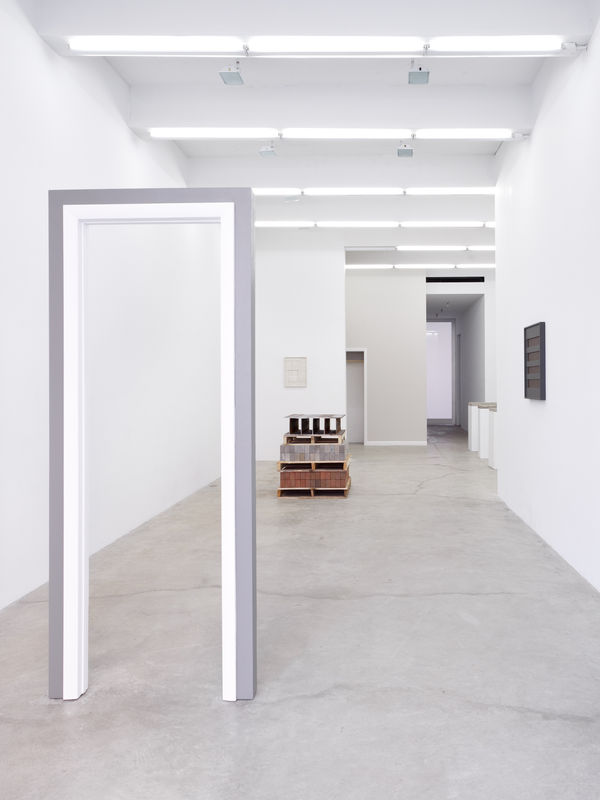


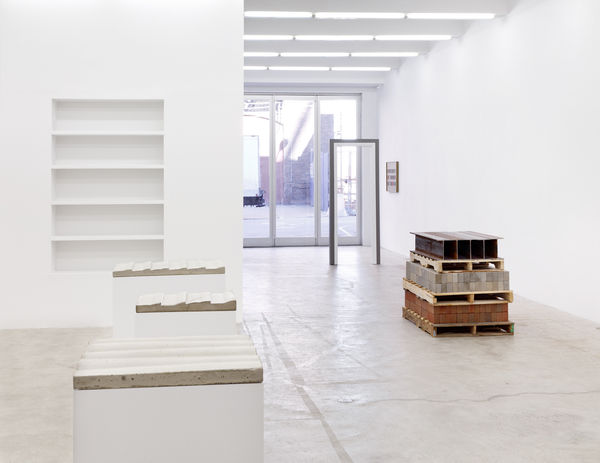

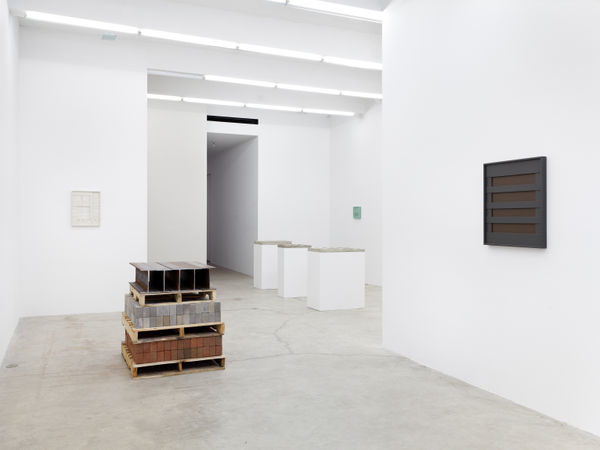
John Pittman's paintings are also reliefs, a field for light as much as they are a field for shadow. A trained frame maker, Pittman meticulously crafts variations of depth within the surfaces of his work. And as light is limited by its inability to fold, so the color within the field of Pittman's paintings is intensified only when it can be reached. Pittman's practice, while dedicated to painting and sculpture, is ultimately observations of subtleties. Pittman was born in 1948 in Detroit, Michigan and lives and works in Chicago.
Aaron Aujla's installations, despite their ambition in size are equally subtle in detail. Aujla constructs floor to ceiling installations of rooms within rooms. The walls are painted with high-end domestic house paints, each piece titled according to their Benjamin Moore names, with vaguely romantic connotations such as "Nimbus" and "Francesca." "As 'gentleman prefer blondes,' so everyone has preference for certain colors and prejudices against others" and Aujla's work makes this only more clear (Albers, Josef, "Interaction of Color," Yale University Press, 2006 p.17). The variations that Pittman makes upon a 1/4 inch relief, Aujla constructs at the architectural level—a room void-like it becomes a view unto itself. Aujla was born in 1986 in British Columbia, Canada.
Charles Harlan's sculptures, like Aujla's installations, are constructed from materials found in the American domestic landscape. For his pieces in this exhibition Aujla investigates shades of paint, and the origins of "Chelsea Grey" verses "Divine Pleasure." Harlan on the other hand is invested in the materials themselves — the progression from clay, to concrete, to steel, and the implications of those materials to the civilizations that invented them. Harlan's newest works presented here are horizontal concrete sculptures that are cast from vinyl siding. Humorously they recall third degree brutalist architecture: concrete cast from a mold composed of vinyl that is meant to look like woodgrain. Their surfaces physically trace the transformation of material as it passes through time. Harlan was born in 1984 in Atlanta, Georgia.


